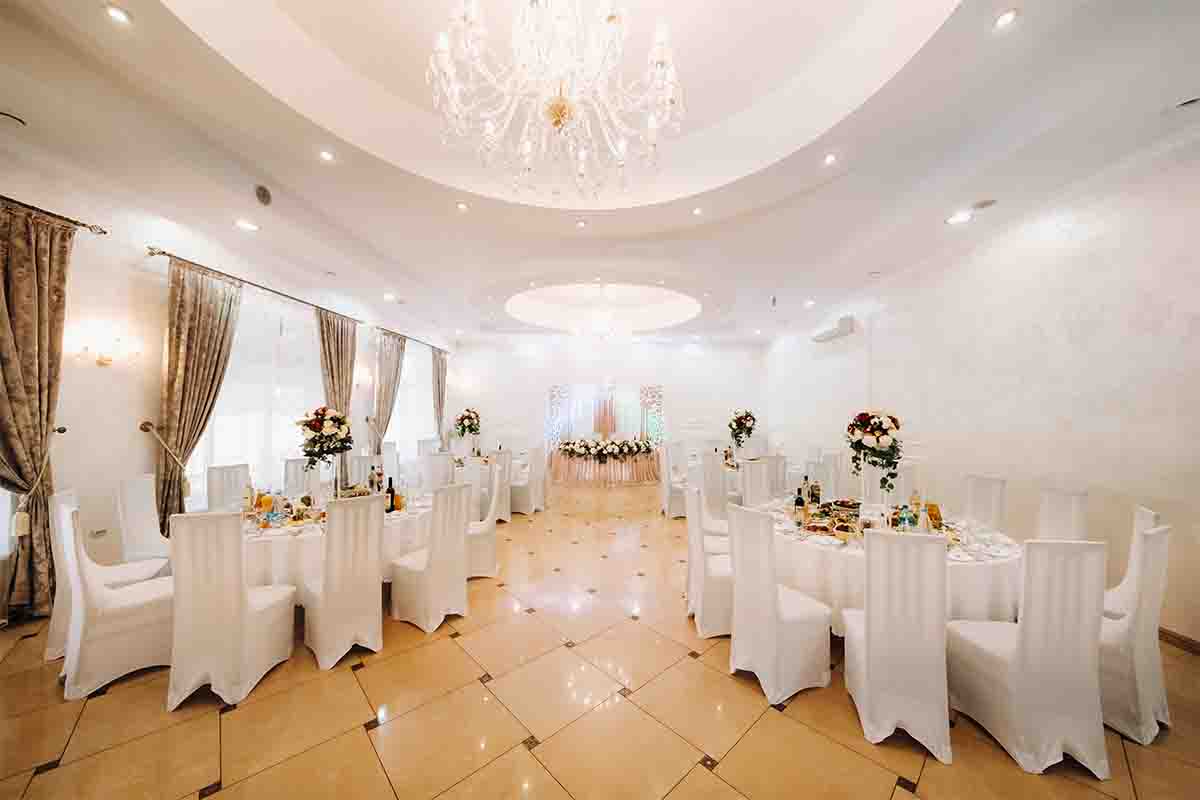
Selecting the perfect venue is one of the most critical decisions in event planning. Whether you’re organizing a wedding, a birthday party, a corporate event, or any other gathering, the venue sets the tone and plays a crucial role in the success of your event. Here’s a comprehensive guide to help you choose the right venue based on the type of event, size, and budget.
Weddings:
For weddings, the venue should align with the couple’s vision. Consider venues that offer scenic views, elegant interiors, and ample space for both the ceremony and reception. Outdoor venues are ideal for rustic or garden-themed weddings, while ballrooms and historic buildings suit more traditional and formal affairs. Ensure the venue provides essential amenities such as a bridal suite, catering options, and accommodations for guests.
Birthday Parties:
The venue for a birthday party should be fun and versatile. For children’s parties, look for places that offer entertainment options like play areas, pools, or themed setups. Adult birthday parties might require a more sophisticated setting such as a private dining room, rooftop bar, or a stylish lounge. Accessibility and convenience for guests, along with customizable decor options, are key factors.
Corporate Events:
Corporate events demand venues that promote networking and productivity. Look for venues with adequate meeting spaces, breakout rooms, and modern audiovisual equipment. Proximity to transportation hubs and hotels is crucial for out-of-town attendees. For team-building activities or corporate retreats, venues offering outdoor spaces and recreational facilities can add value.
Small Gatherings:
For intimate events, such as small weddings, birthday dinners, a religious event, anniversary party, fundraiser, or a sweet 16, a cozy and charming venue is ideal. Boutique hotels, private dining rooms, and small event halls create a warm atmosphere that encourages interaction. Ensure the venue is not too large, as this can make the event feel sparse and less engaging.
Medium-Sized Events:
If you’re hosting a medium-sized event, such as a larger birthday party or a small corporate conference, look for venues with flexible spaces. Banquet halls, mid-sized hotels, and community centers often provide modular spaces that can be adjusted to fit your guest count comfortably.
Large Events:
For large-scale events, such as grand weddings, corporate galas, or conferences, you’ll need a venue with extensive capacity. Convention centers, large banquet halls, and expansive outdoor areas can accommodate a high number of guests while providing room for stages, dance floors, and other event features. Check the venue’s facilities for parking, accessibility, and additional services like security and event coordination.
Setting a Realistic Budget:
Determine your total event budget and allocate a significant portion to the venue. Remember to account for hidden costs such as service fees, taxes (HST), and gratuities. Some venues offer all-inclusive packages that can simplify budgeting by covering catering, decor, and coordination services. For example, A Event Space provides everything except for food: staging, sofa lounge, full cutlery, sound system, lighting system, projector, chairs, tables and covers, security, dressing suite, and liquor license. But, they can work with caterers (and even suggest caterers) to help simplify your event planning.
Negotiating and Flexibility:
Be prepared to negotiate with venue managers. If your event date is flexible, consider booking during off-peak seasons or weekdays to take advantage of lower rates. Some venues may offer discounts for early bookings or package deals that include multiple services. For example, summer weekends tend to go quickly. If you can move your event to a weekday or a Friday night, you may be in a better position to save money.
Value for Money:
Ensure the venue offers good value for your investment. Evaluate what’s included in the rental fee: Does it cover tables, chairs, linens, and basic decor? Are there in-house catering options, or will you need to hire external vendors? A venue that provides comprehensive services can save you time and reduce overall costs.
Visit the Venue:
Always visit potential venues in person. This allows you to assess the space, ambiance, and amenities firsthand. Pay attention to the cleanliness, layout, and condition of facilities. Meeting the staff can also give you a sense of their professionalism and willingness to accommodate your needs.
Read Reviews and Get References:
Look for reviews from previous clients and ask the venue for references. This can provide insight into others' experiences and help you gauge the venue’s reliability and quality of service.
Choosing the perfect venue requires careful consideration of the type of event, size, and budget. By understanding your specific needs and doing thorough research, you can find a venue that not only meets your requirements but also enhances the overall experience for your guests. Happy planning!
